
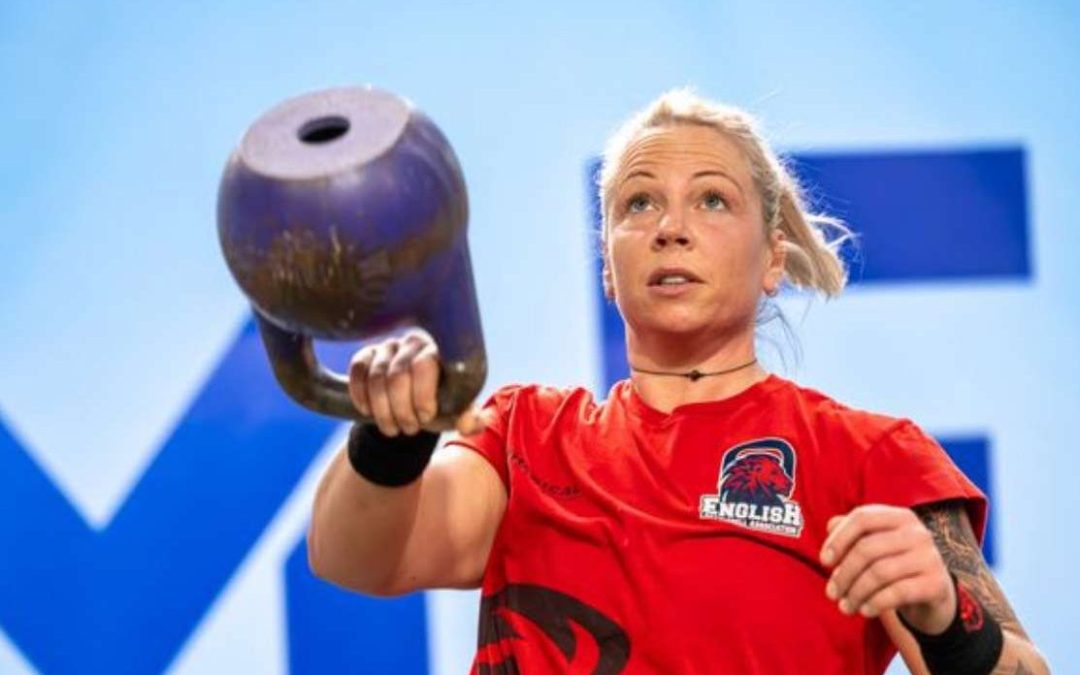
Kettlebells are often seen as niche. Something people notice at the edges of the fitness industry, rather than at its centre. But that’s slowly changing, and it’s something I’ve been working towards for a long time.
Recently, I was featured in an article exploring how kettlebell training is beginning to move into the mainstream. Not as a trend, but as a genuinely effective way to build strength, resilience, and confidence across all ages and abilities.
My own journey with kettlebells has taken me from outdoor community sessions to international competition. Last year, I competed in the half-snatch marathon, completing 909 repetitions in an hour and earning a world record, a gold medal, and Master of Sport, World Class. What makes that achievement more meaningful is that it came during what was meant to be a rest year, following significant shoulder surgery and recovery.
That experience reinforced something I already believed: kettlebells aren’t just about performance. They teach patience, consistency, and respect for the body. They reward good movement, awareness, and discipline, rather than brute force.
What excites me most now is the possibility of introducing kettlebells to younger people. They’re adaptable, accessible, and incredibly effective. Whether someone wants to stay strong for everyday life or explore competitive sport, kettlebells offer a clear pathway without the need for complex equipment or environments.
Like anything that sits outside the mainstream, kettlebell sport attracts opinions. But progress rarely comes from staying comfortable. It comes from trying something properly, learning its depth, and letting results speak for themselves.
If kettlebells can become better understood, they can become more inclusive. And that’s where real impact happens.